- Hip Replacement
- Total Hip Replacement (Total Hip Arthroplasty)
- Signs and Symptoms
- Reason for the Procedure
- Surgery Types and Technical Execution
- Minimally Invasive Option
- Recovery and Rehabilitation
- Partial Hip Replacement (Hemiarthroplasty)
- Signs and Symptoms
- Reason for the Procedure
- Surgery Types and Technical Execution
- Benefits
- Recovery and Rehabilitation
- Hip Preservation (Hip Resurfacing)
- Signs and Symptoms
- Reason for the Procedure
- Surgery Types and Technical Execution
- Benefits
- Recovery and Rehabilitation
Hip replacement is surgery to remove damaged sections of the hip joint and replace them. Hip replacement might be an option if hip pain interferes with daily activities and nonsurgical treatments haven’t helped or are no longer effective. It is commonly performed for conditions such as osteoarthritis, rheumatoid arthritis, avascular necrosis, or hip fractures. With proper care and modern techniques, a hip replacement can last 20+ years, significantly improving quality of life and allowing pain-free movement.
Hip Replacement
Total Hip Replacement (Total Hip Arthroplasty)
Signs and Symptoms
Surgery may be an option if hip pain:
-
Doesn’t stop despite taking pain medicines.
-
Worsens with walking, even with a cane or walker.
-
Interferes with sleep.
-
Affects the ability to walk up or down stairs.
-
Makes it difficult to rise from a seated position.
Reason for the Procedure
The procedure is recommended when hip pain interferes with daily activities and nonsurgical treatments haven’t helped or are no longer effective. It is commonly performed for conditions like osteoarthritis, rheumatoid arthritis, avascular necrosis, or hip fractures.
Surgery Types and Technical Execution
The surgical procedure can usually be completed within two hours:
-
Incision: An incision is made over the hip, through the layers of tissue.
-
Debridement: Diseased and damaged bone and cartilage are removed, leaving healthy bone intact.
-
Femoral Component: The damaged femoral head (ball) is removed and replaced with a metal or ceramic ball attached to a stem that fits inside the femur.
-
Acetabular Component: The damaged socket is replaced with a new artificial cup, often made of plastic, ceramic, or metal.
-
Liner: A smooth, durable liner is placed between the new ball and socket to allow smooth movement.
Minimally Invasive Option
A minimally invasive technique uses smaller incisions (typically 5–10 cm instead of 20–30 cm) and specialized surgical instruments to reduce muscle damage. This approach often leads to:
-
Less pain after surgery
-
Smaller scars
-
Shorter hospital stay
-
Faster recovery and return to daily activities
Recovery and Rehabilitation
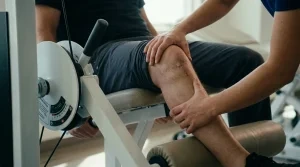
Most patients can start walking with assistance within a day or two after surgery. Physical therapy plays a key role in regaining strength and mobility.
Partial Hip Replacement (Hemiarthroplasty)
Signs and Symptoms
This procedure is commonly performed for hip fractures, particularly in elderly patients, rather than for chronic arthritis.
Reason for the Procedure
Treatment for hip fracture usually involves prompt surgical repair to manage pain and prevent complications like blood clots and infection. The choice of surgery depends on the fracture location, severity, and the patient’s underlying health.
Surgery Types and Technical Execution
-
Removal: The damaged femoral head (the ball of the hip joint) is removed.
-
Insertion: A metal or ceramic prosthetic head is attached to a stem and inserted into the thigh bone.
-
Preservation: The hip socket is preserved, as it remains healthy in most cases.
Benefits
-
Relieves pain caused by hip fractures
-
Allows faster recovery compared to total hip replacement
-
Less bone removal, preserving more of your natural hip structure
-
Shorter surgery time and reduced risk of complications
Recovery and Rehabilitation
Modern techniques allow for smaller incisions and less muscle disruption. Most patients can start walking within a day or two with support. Physical therapy helps restore strength and movement.
Hip Preservation (Hip Resurfacing)
Signs and Symptoms
This is often recommended for younger, active patients with hip arthritis or severe pain who still want to maintain an active lifestyle.
Reason for the Procedure
The goal is to maintain a high level of movement and flexibility. It is preferred for those with strong, healthy bones (typically under 60 years old).
Surgery Types and Technical Execution
-
Reshaping: The damaged femoral head (ball of the hip joint) is reshaped, not removed.
-
Capping: A metal cap is placed over the reshaped femoral head.
-
Socket Lining: The hip socket is lined with a metal cup, similar to a total hip replacement.
Benefits
-
Preserves more of your natural bone
-
Lower risk of hip dislocation compared to total hip replacement
-
May allow for more natural movement and flexibility
-
Longer-lasting option for younger, active patients
Recovery and Rehabilitation
Modern approaches use smaller incisions and cause less muscle damage. Most patients start walking within a day or two after surgery. Physical therapy helps restore strength, and many patients return to sports and active lifestyles within a few months.