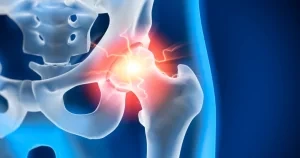
For many patients, the word “surgery” conjures images of long hospital stays and months of difficult recovery. However, modern orthopedic techniques have transformed the patient experience. Minimally Invasive Hip Replacement, specifically the muscle-sparing approaches used at the International Joint Center. is designed to minimize the “biological cost” of surgery, allowing you to return to your life faster and with less pain.
It is important to understand that “minimally invasive” isn’t just about the length of the scar on your skin; it is about the protection of the muscles and tendons underneath.
The Philosophy: Muscle-Sparing vs. Muscle-Cutting
In traditional hip replacement, surgeons often had to cut through major muscle groups (like the gluteal muscles) to reach the hip joint. While effective, this required a long healing period for those muscles to reattach and regain their strength.
Minimally invasive techniques utilize specialized instruments and unique surgical “paths” to work between or under the muscles without cutting them.
- The Direct Anterior Approach (DAA): This is the most common minimally invasive technique. The surgeon enters from the front of the hip, pushing the muscles aside along their natural “seams.”
- The Benefit: Because the muscles remain intact, the hip joint is naturally more stable the moment you leave the operating room.
Why Patients Choose Minimally Invasive Surgery
The advantages of a muscle-sparing approach extend far beyond the aesthetic benefit of a smaller scar:
- Reduced Post-Operative Pain: With less soft-tissue trauma, patients generally require fewer pain medications and experience less “throbbing” during the first few days.
- Lower Risk of Dislocation: Because the posterior muscles and tendons (which help hold the hip in its socket) are not disturbed, the risk of the joint “popping out” is significantly lower.
- Faster Functional Recovery: Many patients are able to walk without a walker or cane much sooner than with traditional surgery.
- Less Blood Loss: Smaller incisions and precise tissue handling lead to less internal bleeding during the procedure.
The Roadmap to a Same-Day Discharge
The International Joint Center’s Rapid Recovery Protocol is built around these minimally invasive techniques. Because the “extension mechanism” of your hip is preserved:
- Immediate Weight-Bearing: You are often encouraged to stand and walk within 2 to 4 hours of your surgery.
- No “Hip Precautions”: Unlike traditional surgery, where patients are told not to bend their hip past 90 degrees or cross their legs for months, anterior-approach patients often have fewer restrictions.
- Home Within 24 Hours: Many of our patients meet their physical therapy goals so quickly that they are cleared to go home the same day or the following morning.
Is Everyone a Candidate?
While minimally invasive surgery is a fantastic option, it is not “one-size-fits-all.” The choice of surgical approach depends on several factors:
- Anatomy and Deformity: Patients with severe bone loss or complex hip dysplasia may require a more traditional approach to ensure the implants are placed safely.
- Body Composition: In some cases, a patient’s BMI or muscle structure may make a specific minimally invasive path more difficult or risky.
- Previous Surgeries: If you have had several previous hip operations, scar tissue may dictate a more standard surgical route.
Summary: A Precision-First Approach
At the IJC, we don’t choose an approach based on what is “trendy”; we choose based on what will provide the most durable, pain-free result for your specific body. For many, that means a minimally invasive, muscle-sparing procedure that treats the surgical site with the utmost respect, paving the way for a recovery that is as smooth as it is swift.
Expert Tip: When meeting with a surgeon, don’t just ask about the “incision length.” Ask: “Will you be cutting any muscles or tendons to reach my joint?” The answer to that question is what truly determines your recovery speed.