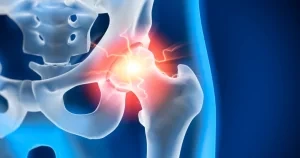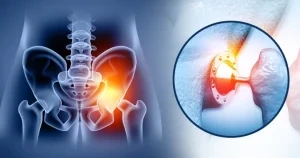
While the vast majority of primary hip and knee replacements are life-changing successes, a small percentage of implants may eventually fail due to wear, loosening, or infection. When this happens, a Revision Arthroplasty -or a “re-do” surgery- is required.
It is important for patients to understand that a revision is not simply a repeat of the first surgery. It is a significantly more complex procedure that requires a higher level of surgical planning, specialized hardware, and technical expertise.
The Challenge of 'Biological Real Estate'
In a primary joint replacement, the surgeon works with “virgin” bone and healthy soft tissue. In a revision, the environment has changed:
- Scar Tissue: Previous incisions and surgeries create scar tissue, which is less flexible and has a different blood supply than healthy tissue.
- Bone Loss (Osteolysis): Often, when an implant fails or loosens, it causes the surrounding bone to thin or vanish. This “bone loss” means there is less of a foundation to support a new implant.
Managing Bone Loss: Rebuilding the Foundation
One of the most critical aspects of revision surgery is restoring the bone stock. Surgeons like those at the International Joint Center utilize several advanced methods to “rebuild” the hip or knee:
- Metal Augments and “Sleeves”: We use highly porous titanium wedges and sleeves that act like scaffolding. These pieces fill the gaps where bone has been lost and allow the patient’s remaining bone to grow into the metal, creating a permanent bond.
- Bone Grafting: In some cases, we use bone from a bone bank (allograft) to fill voids and stimulate the body’s natural healing process.
Specialized Implants: Stems and Constraints
Because the “foundation” is different, revision implants look and function differently than primary ones:
- Intramedullary Stems: Revision implants often feature long stems that extend deep into the hollow center of the femur or tibia. This bypasses the damaged bone at the joint and anchors the implant into the stronger, healthier bone further down the limb.
- Constrained Joints: If the ligaments around the knee or hip have been weakened by the previous failure, we use “constrained” implants. These have internal mechanical links that provide the stability that the patient’s own tissues can no longer offer.
Why Expertise and Volume Matter
Revision surgery is a high-stakes procedure. Research consistently shows that patients have better outcomes when their revision is performed by a surgeon who specializes in complex cases and operates in a high-volume center.
A specialist’s experience allows them to:
- Anticipate Complications: Identifying subtle signs of infection or bone deficiency before the first incision is made.
- Customized Planning: Utilizing 3D-printed models or custom-made implants for patients with severe anatomical deformities.
- Advanced Infection Control: Implementing the “Parvazi Criteria” to ensure that the revision isn’t being performed in an infected environment, which is the leading cause of revision failure.
Summary: A Second Chance at Mobility
A failing joint replacement can be a source of significant anxiety, but it is not the end of the road. Revision arthroplasty is a highly successful way to correct mechanical issues, alleviate pain, and restore stability. By using specialized components and a tailored surgical plan, we can provide a durable, functional joint that gives you a second chance at an active life.
Expert Tip: If you are told you need a revision, ask your surgeon how many revision procedures they perform annually. Revision surgery is a distinct sub-specialty of orthopedics, and experience is the most important factor in a successful outcome.